Notes from the middle of real work.
What we're seeing in platform work, delivery, and AI inside running operations.
Latest read
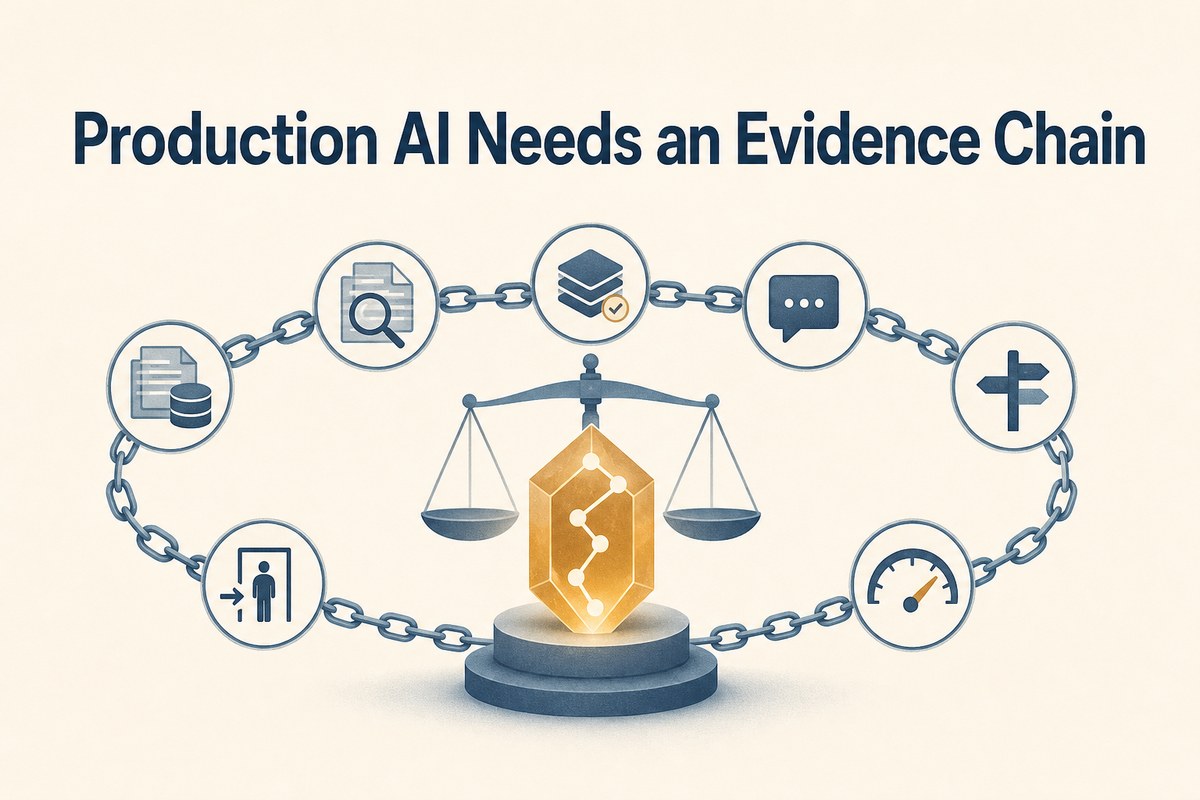
Production AI Needs an Evidence Chain
Production AI governance depends on a reviewable evidence chain around the model, not just a polished recommendation and an approval button.
More writing
Why 1 Year of Agentic AI Production Is Already the Bar
One year of agentic AI in production is now a hiring filter, and most people who qualify learned by doing while organizations expected full delivery output and no room to experiment.
Operational signal: The next phase requires a shift in how the organization works.
Forward Deployed Engineering Is Not Product Engineering on Location
FDE ships in weeks what product teams ship in quarters, but the difference is not speed. It is scope, ownership, and what happens after the work is done.
Operational signal: The team is busy, but leadership cannot see delivery clearly.
Forward Deployed Engineering Existed Before the Title Did
Forward Deployed Engineering is a new label for work that's existed for decades. The best technology leaders embedded with operators, stayed through production, and moved between strategy and implementation. AI increased the leverage; the model stayed the same.
Operational signal: The team is busy, but leadership cannot see delivery clearly.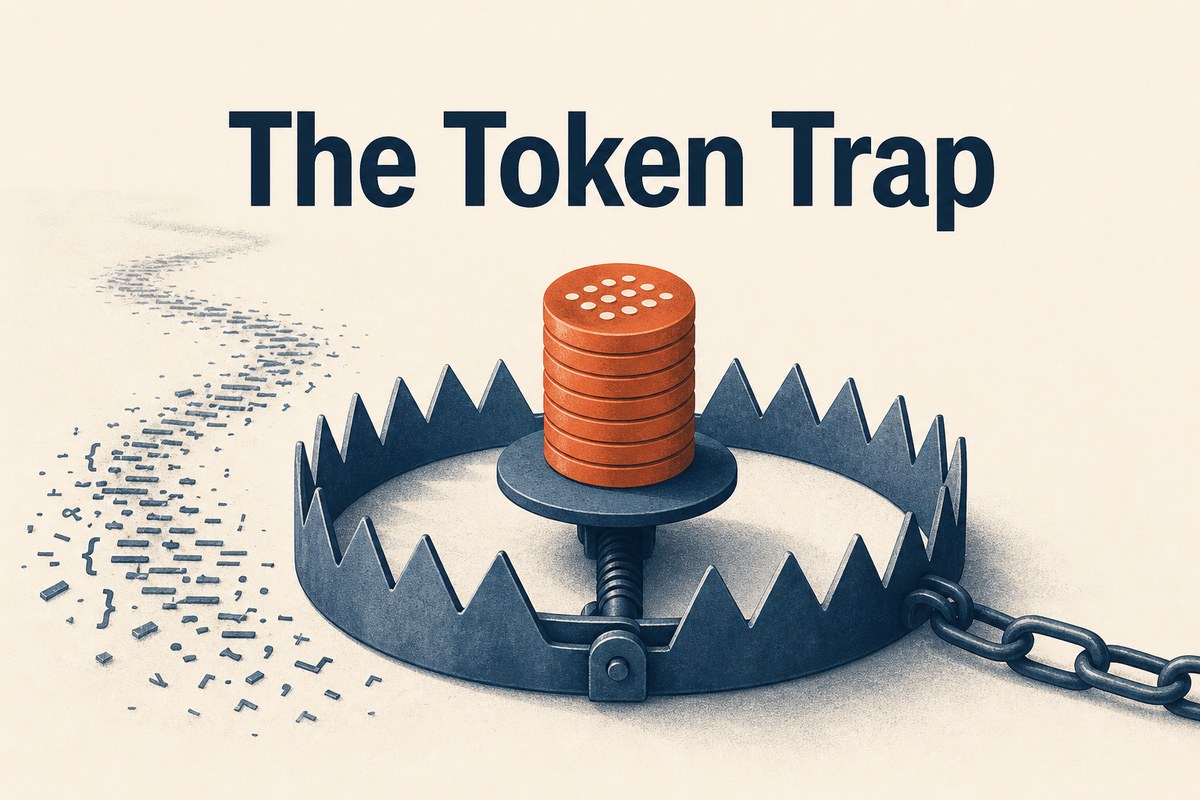
The Token Trap
We stopped measuring engineers by lines of code, then built leaderboards around token usage. The metric changed. The incentive problem didn't. The engineers who will matter are still asking whether the code should exist at all.
Operational signal: The team is busy, but leadership cannot see delivery clearly.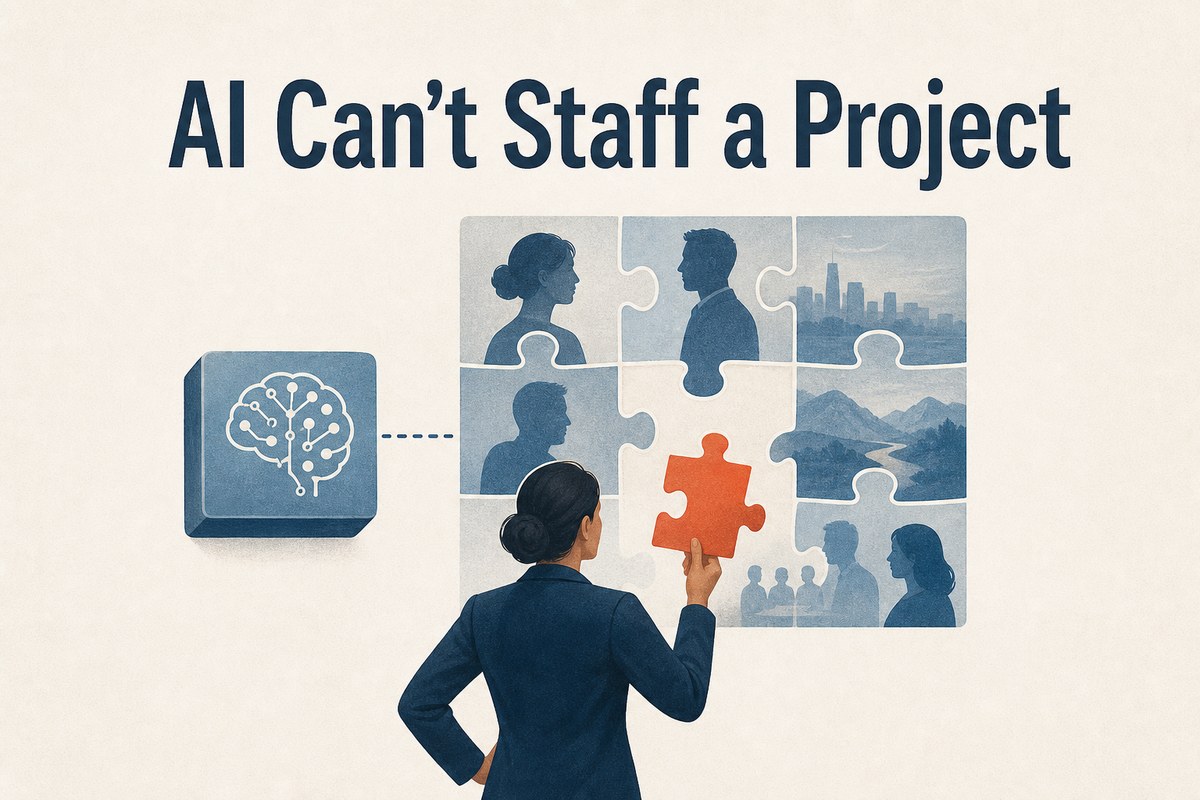
AI Can't Staff a Project
Skills and schedules live in systems, but the factors that actually decide who should staff a consulting project—client fit, continuity, trust—usually do not. AI inherits fragmented data; people still route hard staffing calls through the expert who holds the full picture.
Operational signal: Decisions depend on data few people fully trust.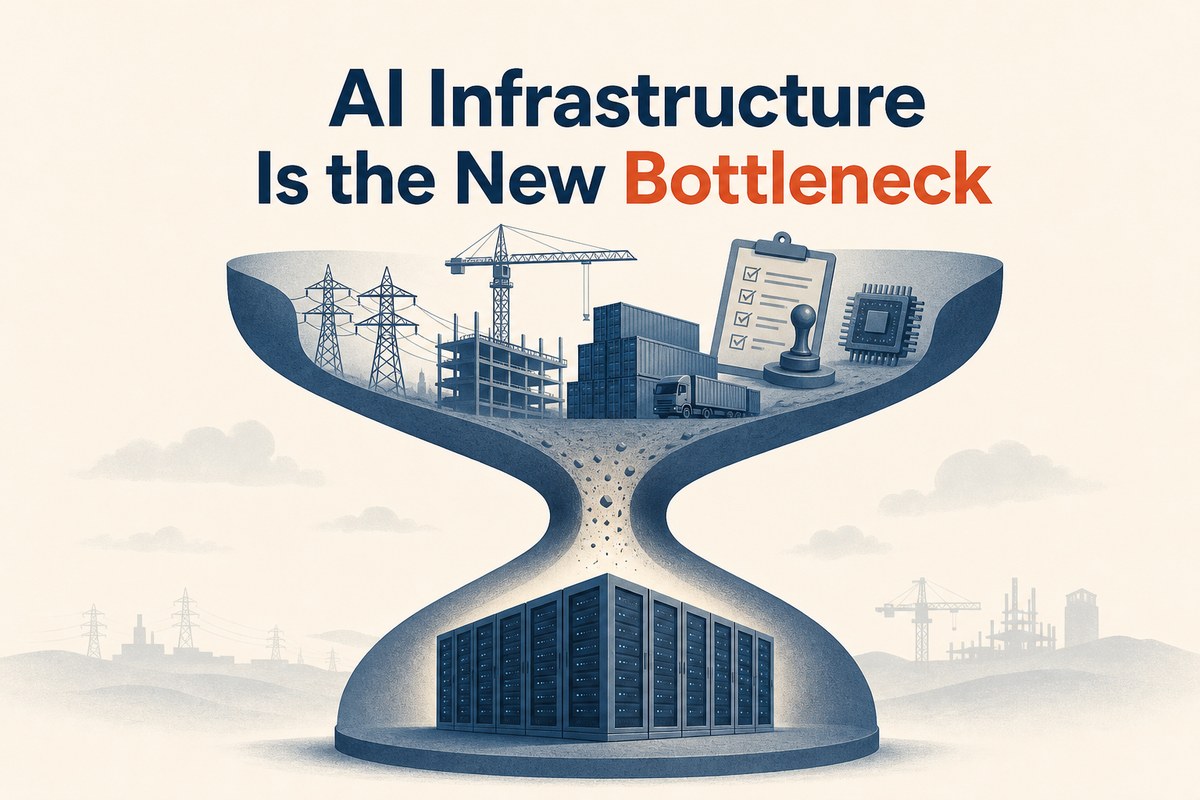
AI Infrastructure Is the New Bottleneck
AI progress is no longer constrained only by models. Data centers, permits, power, components, and chip supply now set the pace of deployment.
Operational signal: The next phase requires a shift in how the organization works.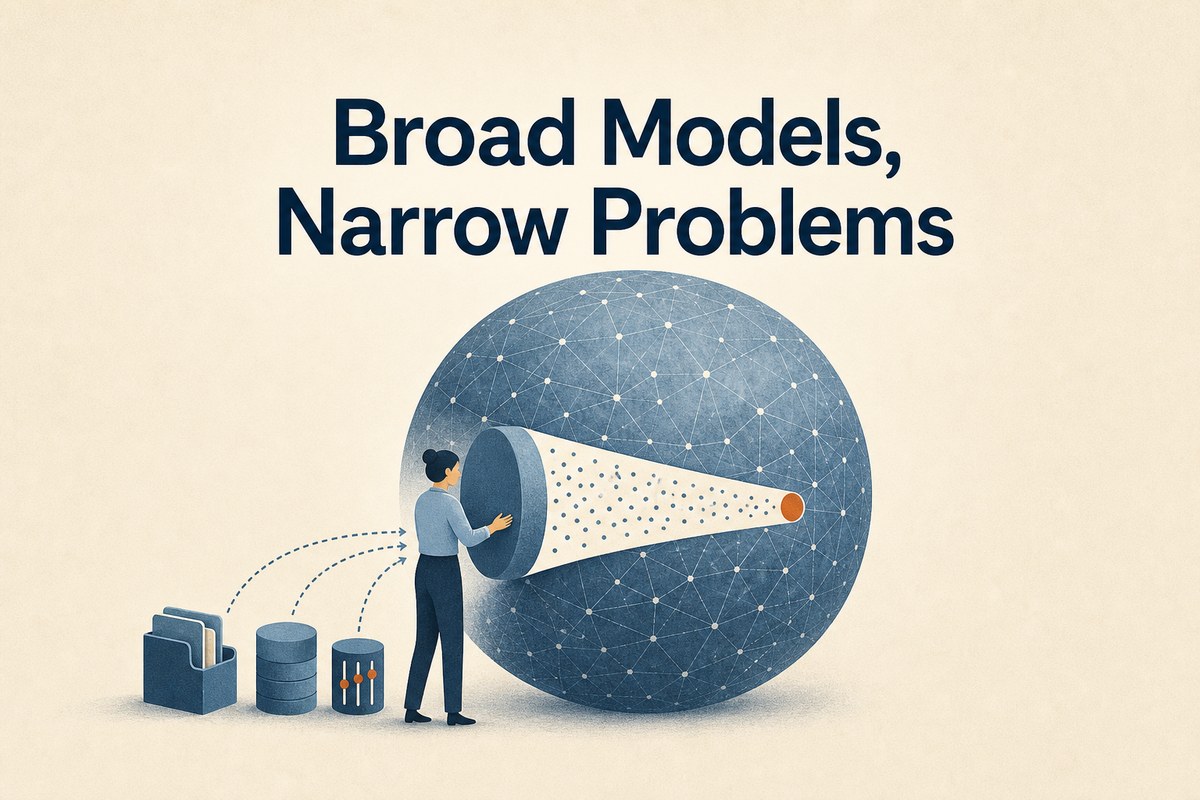
Broad Models, Narrow Problems
General LLMs and most business workflows are a poor fit. Narrow the problem before you call the model—RAG, fine-tuning, or smaller models—instead of paying in tokens and retries.
Operational signal: The next phase requires a shift in how the organization works.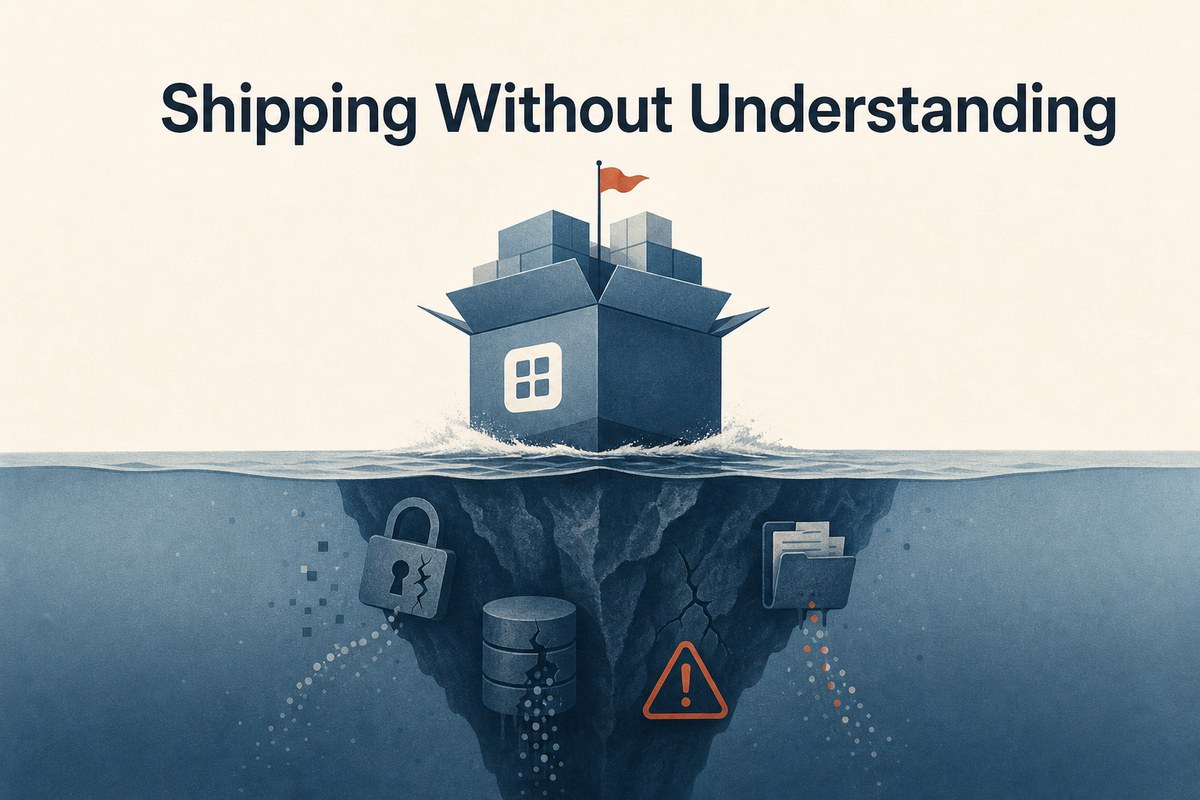
You Can Ship Software Without Understanding It
AI-assisted delivery can make a product look finished before the team understands how it fails. Speed helps, but a working demo is not the same as a trustworthy system.
Operational signal: The platform works, but you are not sure it will survive the next phase.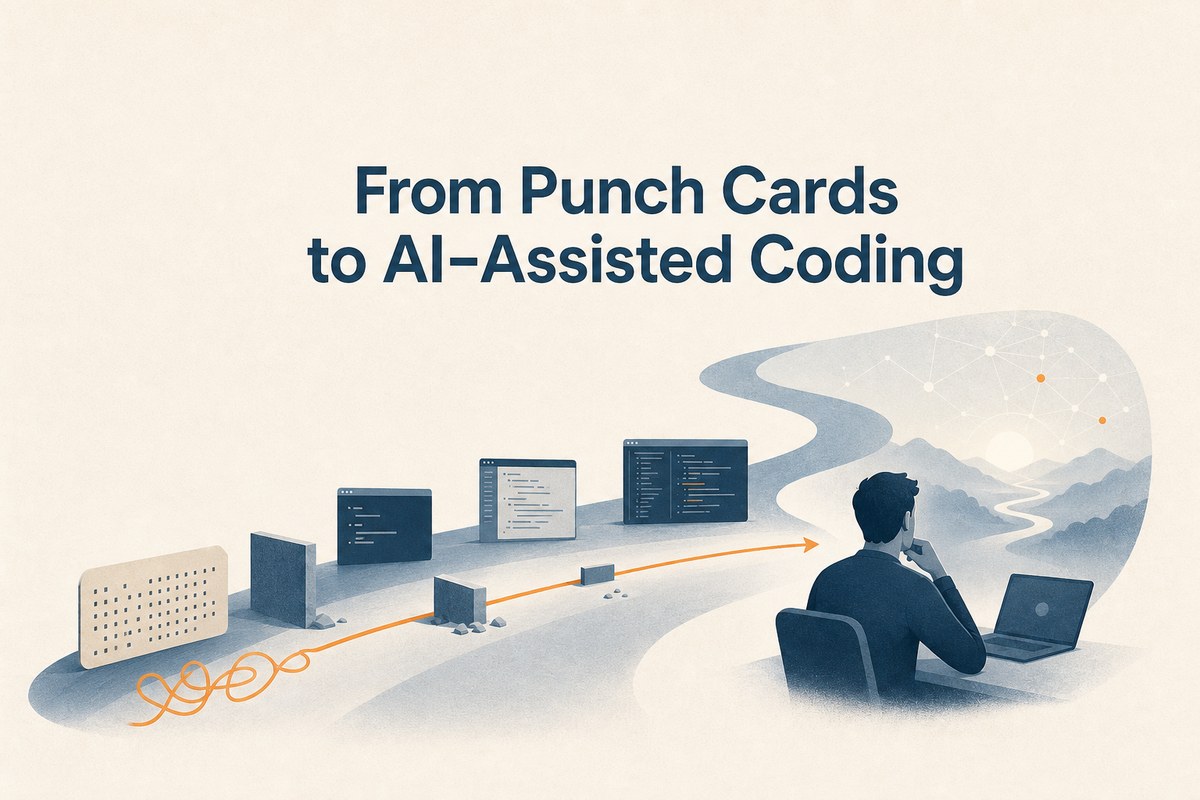
From Punch Cards to AI-Assisted Coding
AI-assisted coding is part of a long arc: tools reduce friction so teams can spend more energy on problem framing, solution design, and real-world outcomes.
Operational signal: The next phase requires a shift in how the organization works.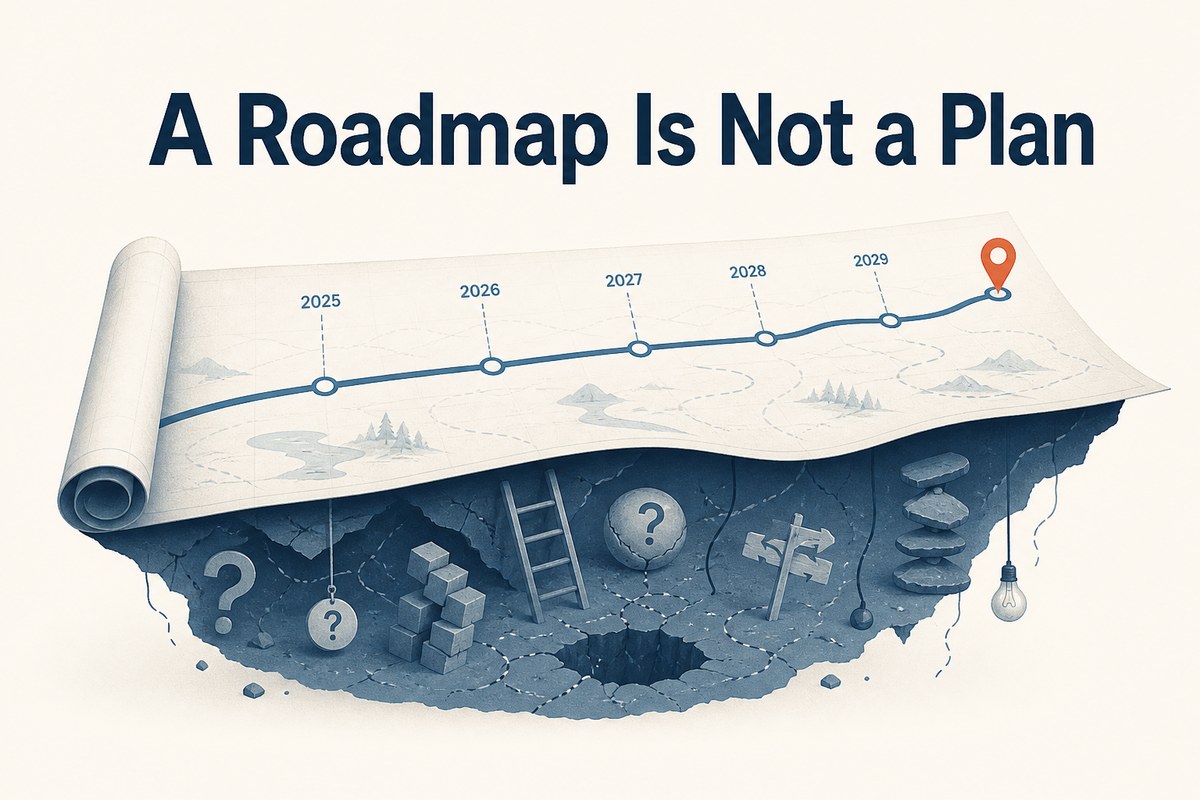
A Roadmap Is Not a Plan — It's an Informed Guess With Dates
Roadmaps look precise, but many dates depend on decisions not yet made. Naming what's uncertain keeps them useful instead of fragile.
Operational signal: The team is busy, but leadership cannot see delivery clearly.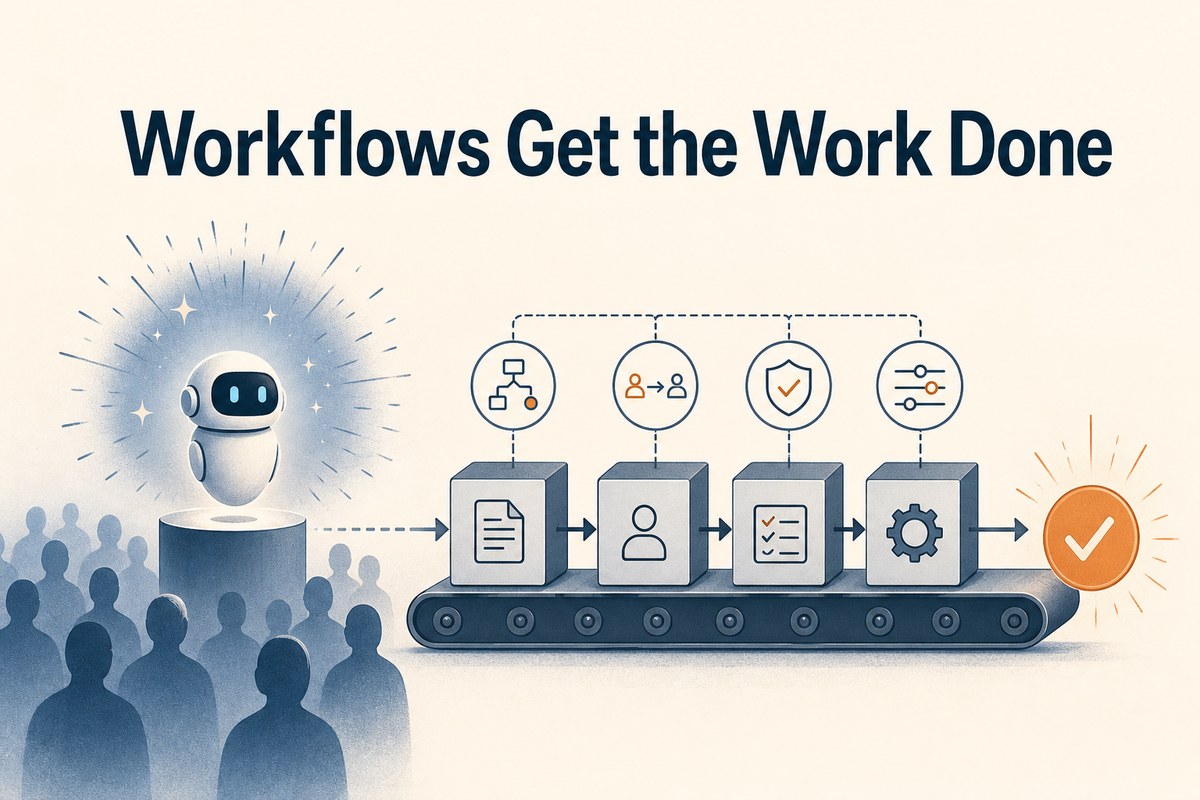
Agents Get the Attention. Workflows Get the Work Done.
The industry jumped from prompts to agents and skipped the conversation about AI workflows. Most problems need predictable steps, not open-ended autonomy.
Operational signal: The next phase requires a shift in how the organization works.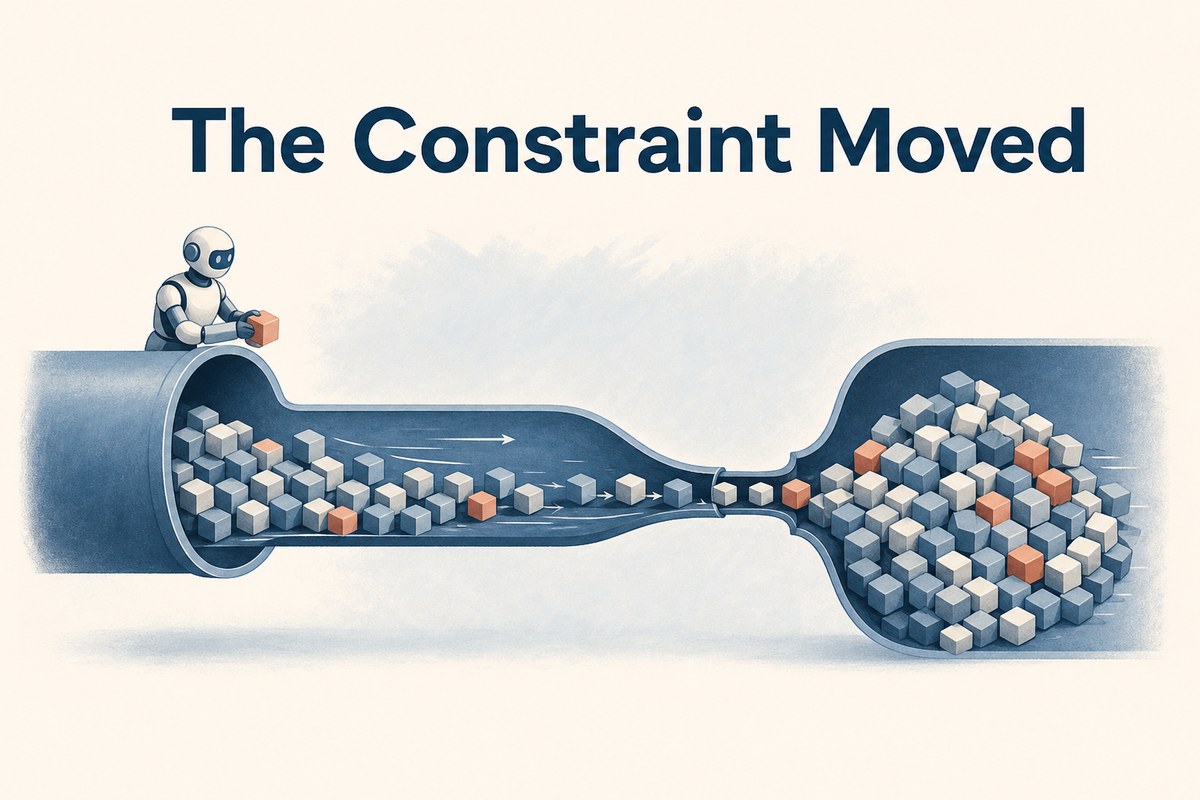
The Constraint Didn't Go Away. It Moved.
AI can make coding feel unlimited, but every system still has a bottleneck. Speeding up the wrong step often piles more work in front of the real limit.
Operational signal: The team is busy, but leadership cannot see delivery clearly.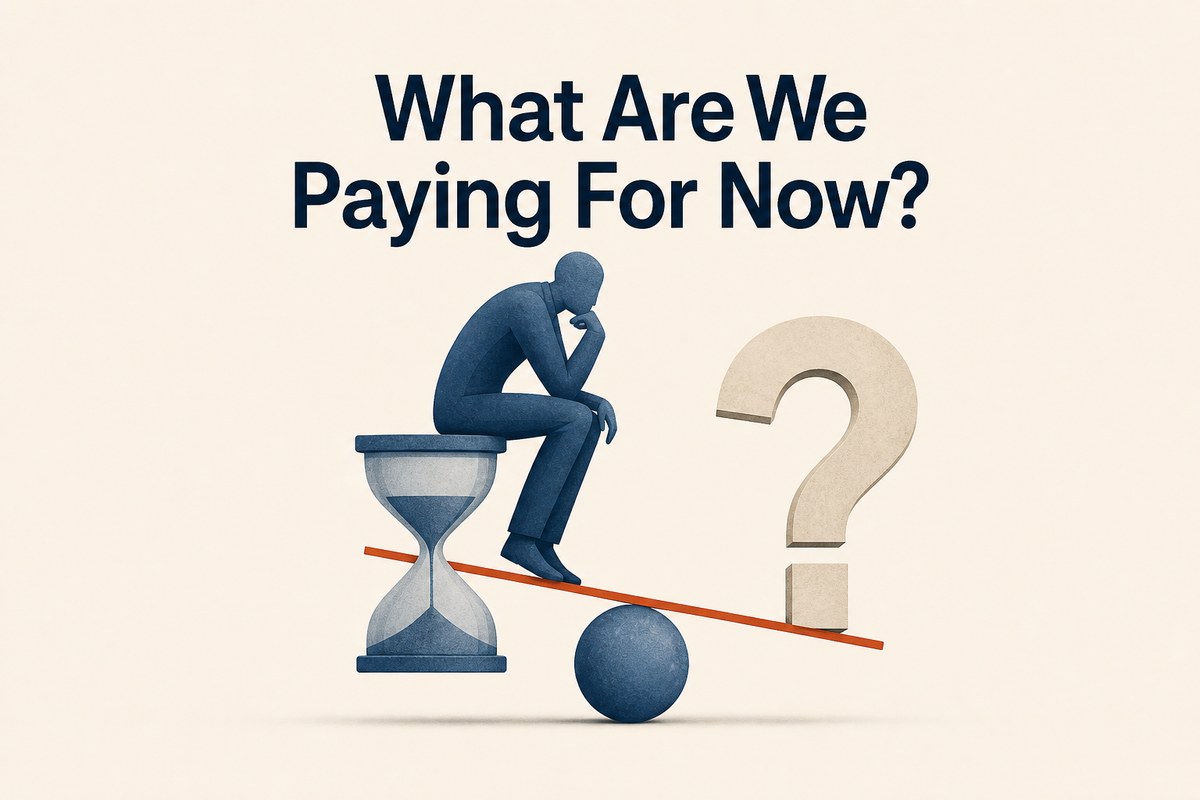
What Are We Paying For Now?
As AI compresses delivery time, clients are testing whether consulting fees still map to value. The firms that hold up will make judgment unmistakable, not effort defensible.
Operational signal: Growth is exposing limits in people, process, or architecture.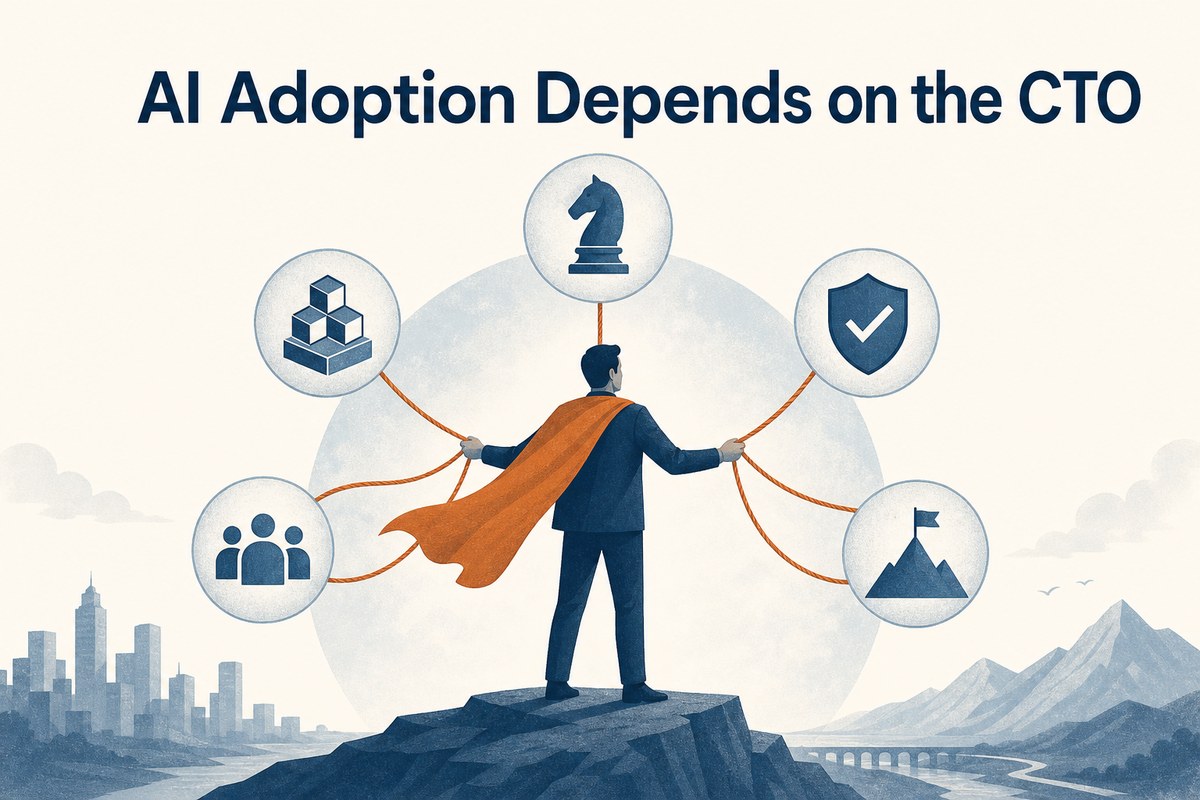
AI Adoption Depends on the CTO
The same technology plays out very differently as companies grow: from tool to capability to business lever.
Operational signal: Growth is exposing limits in people, process, or architecture.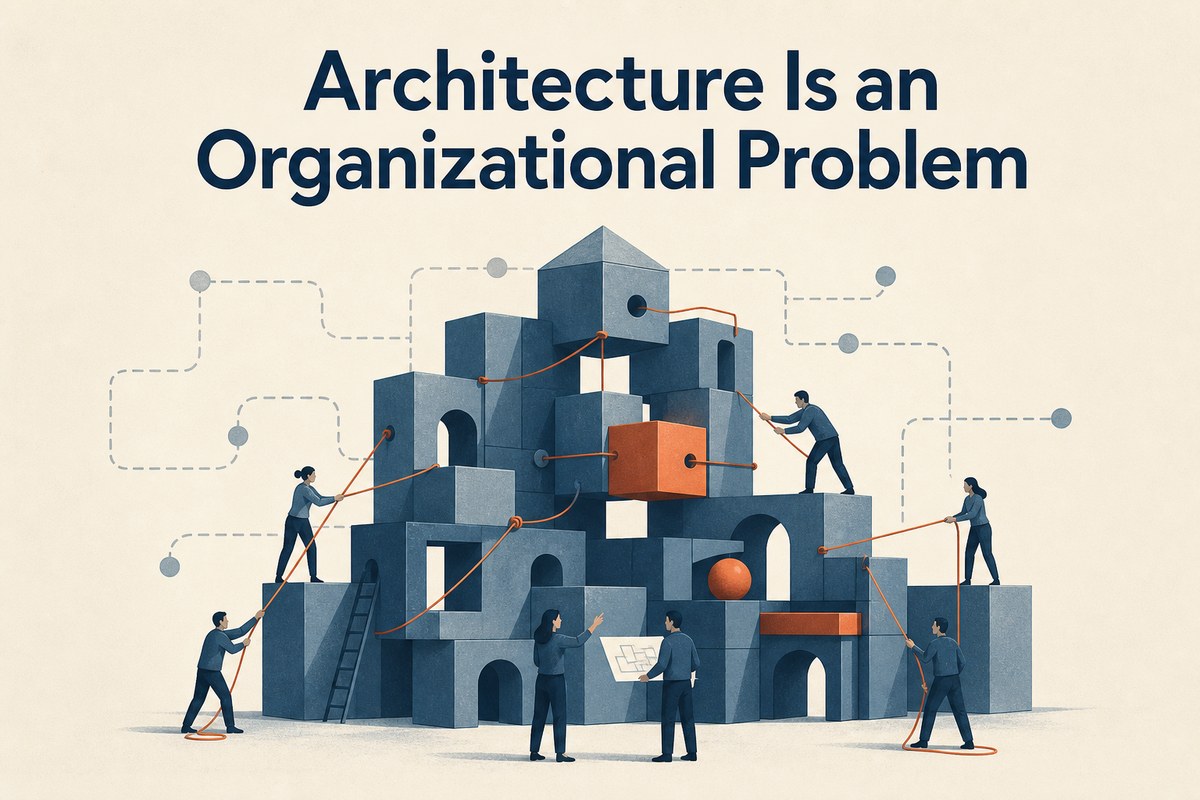
Architecture Is an Organizational Problem
Team structure shapes how systems evolve more than any diagram or tool. If you want to move faster, start with structure before technology.
Operational signal: The platform works, but you are not sure it will survive the next phase.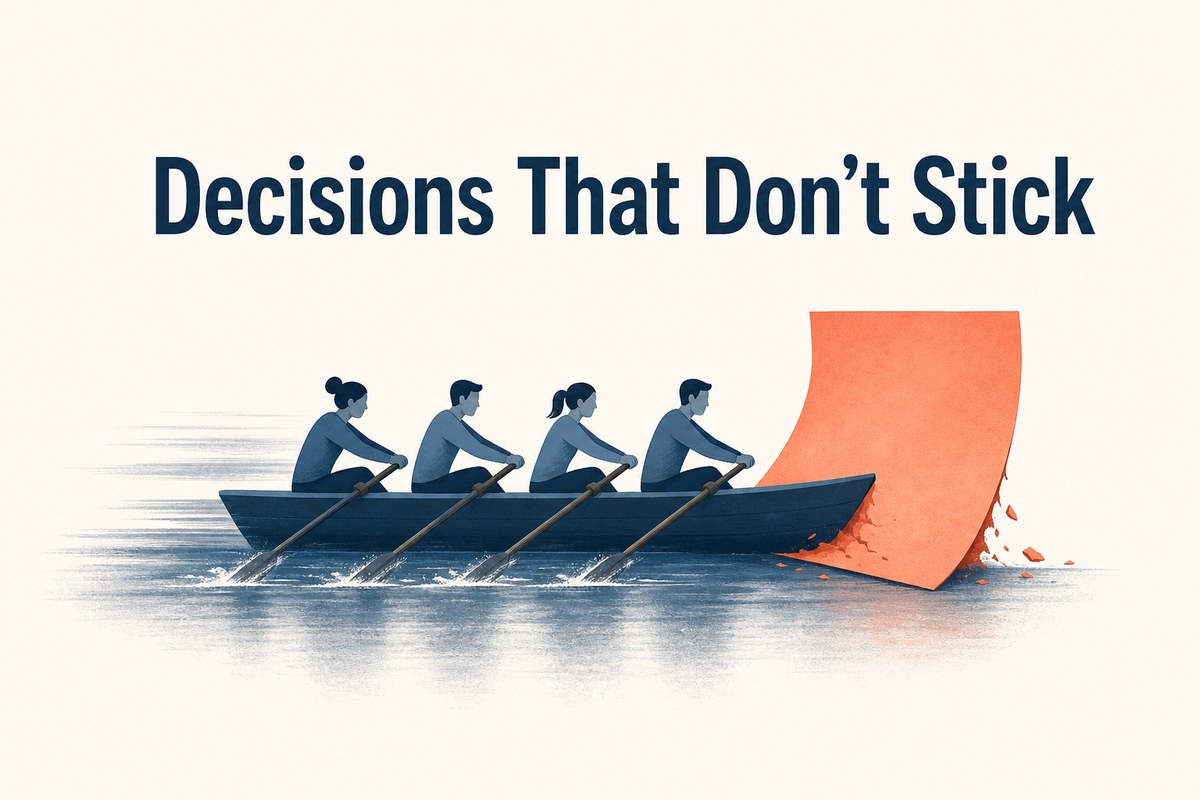
Decisions That Don't Stick
Most teams are not slowed down by code. They are slowed by direction that keeps changing and decisions that get reopened.
Operational signal: The team is busy, but leadership cannot see delivery clearly.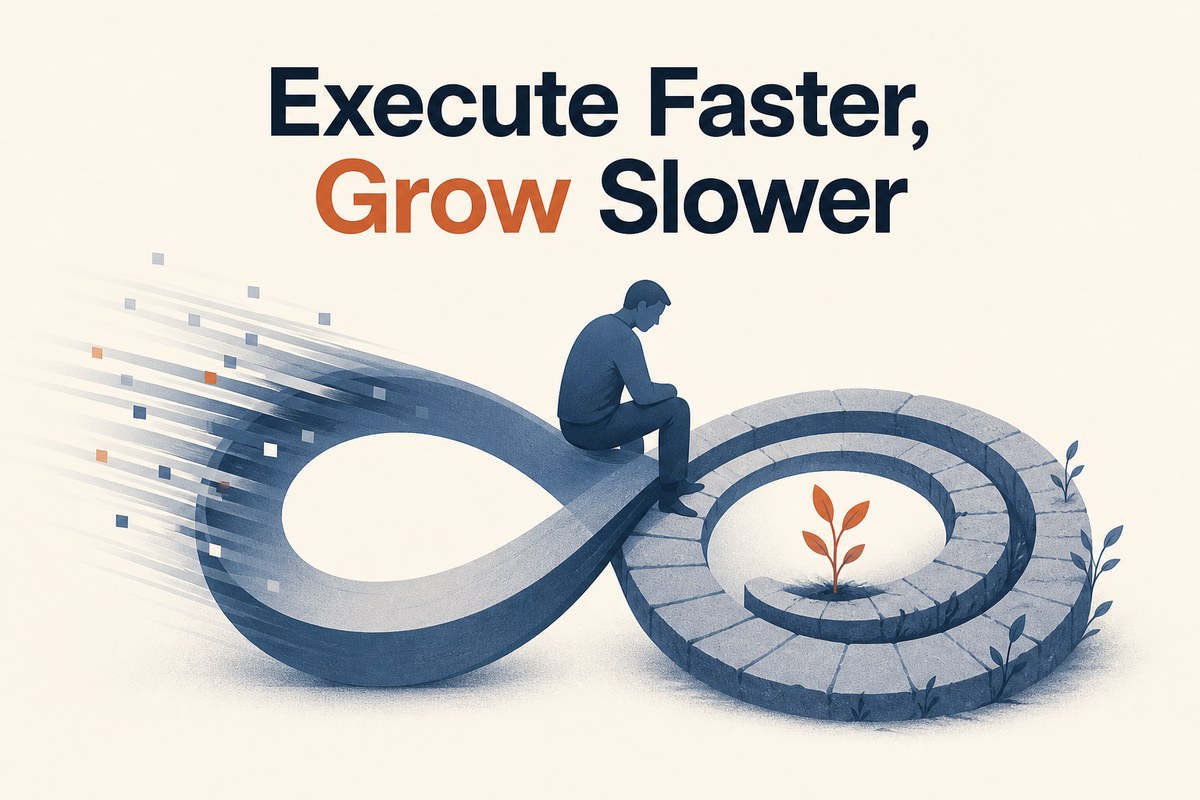
AI Is Making It Easier to Execute, and Harder to Grow
When execution is always smooth, the stretch where judgment forms can quietly disappear. Be deliberate about when to accelerate and when to stay in the problem.
Operational signal: The next phase requires a shift in how the organization works.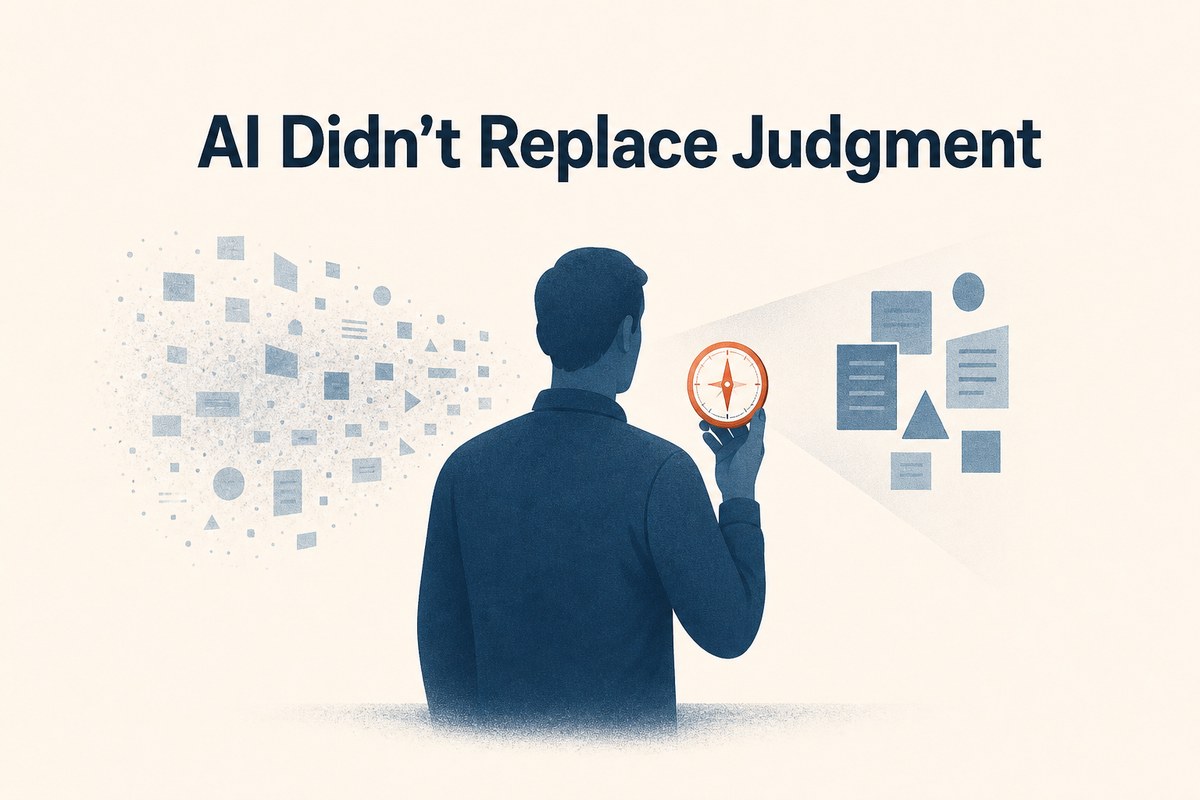
AI Didn’t Replace Stack Overflow
AI changes how engineers get unstuck, but it does not remove the real work: judging relevance, risk, and fit. Answers got cheaper; responsibility did not.
Operational signal: Decisions depend on data few people fully trust.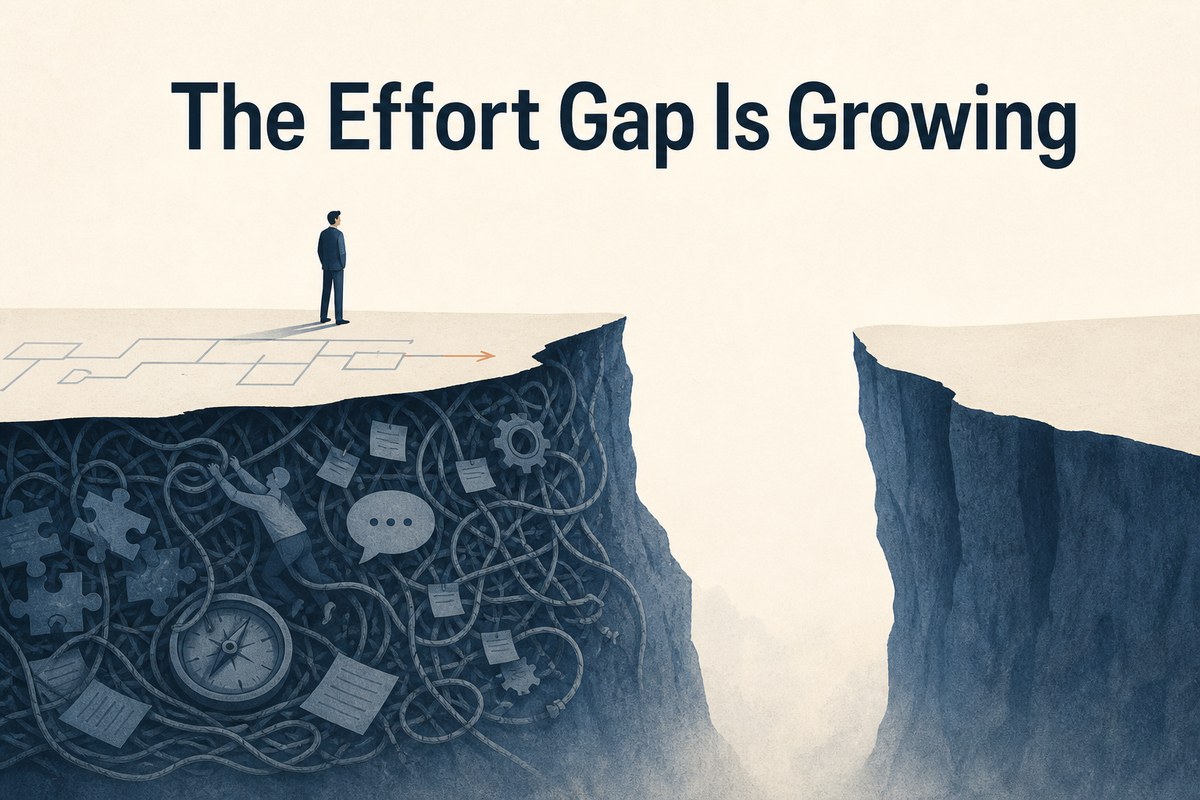
The Gap Between Estimated and Actual Effort Is Growing
For engineers, estimated time, actual time, and reported time do not always align. AI anecdotes can widen that gap and distort what the team expects.
Operational signal: The team is busy, but leadership cannot see delivery clearly.
We Get a Second Chance with AI
AI is moving faster than most policies and habits. That gives teams another chance to set standards before consequences arrive after the fact.
Operational signal: Decisions depend on data few people fully trust.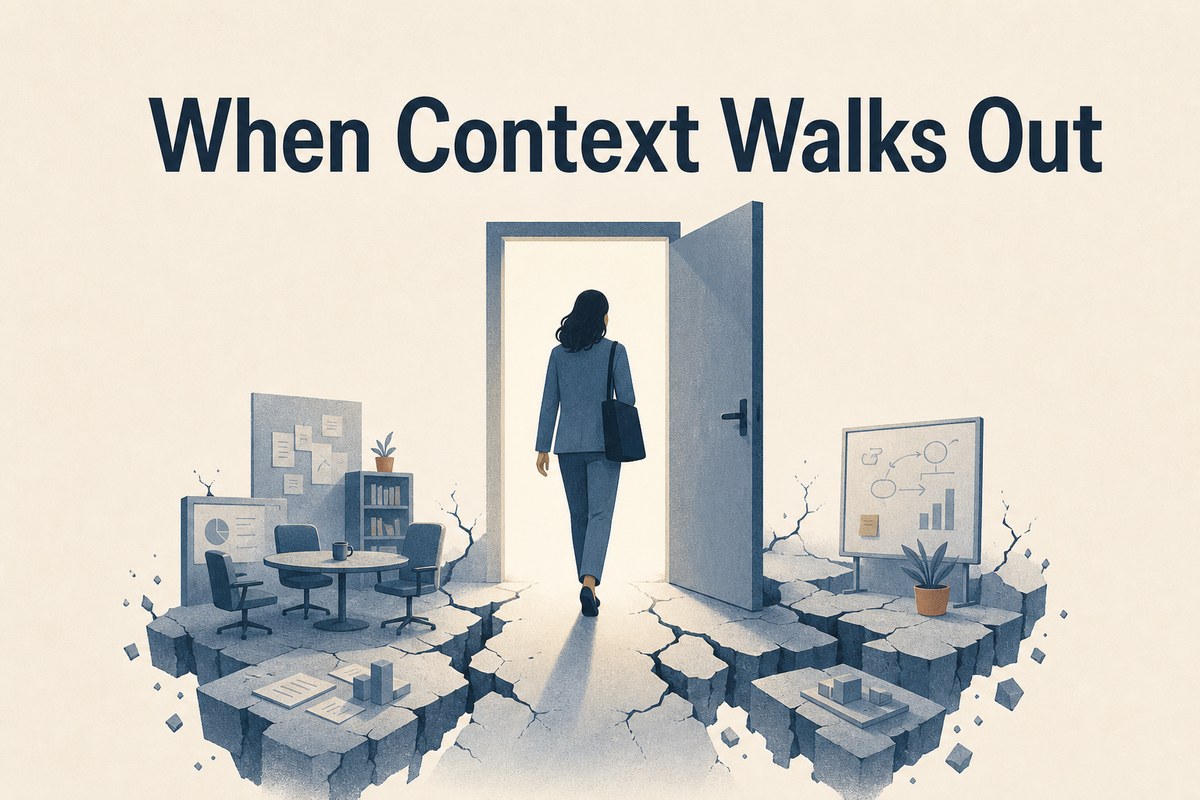
What Happens When the Context Walks Out the Door
A consulting relationship that depends on one person’s memory and trust is fragile. Strong partnerships distribute context so turnover does not reset the work.
Operational signal: The team is busy, but leadership cannot see delivery clearly.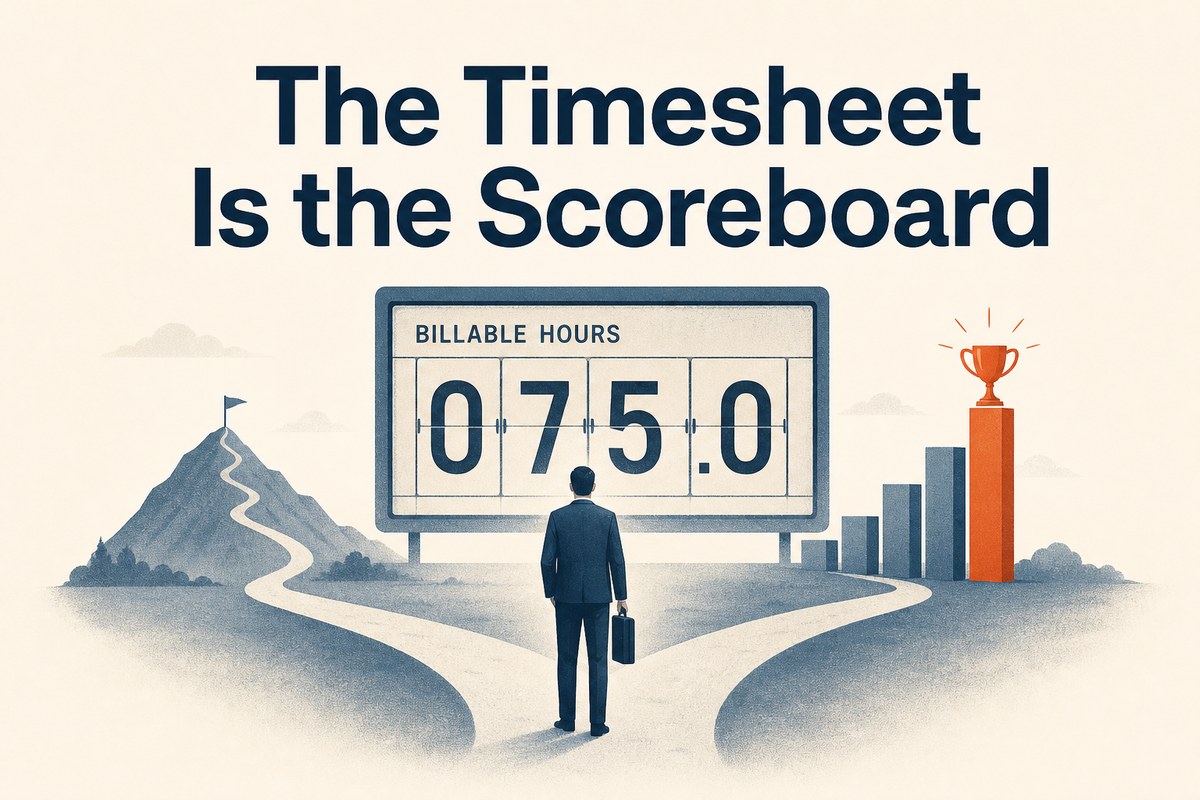
When the Timesheet Is the Scoreboard
Pricing is not neutral. When time is the unit, hours become the scoreboard and the incentive system quietly tells teams what “good work” means.
Operational signal: Growth is exposing limits in people, process, or architecture.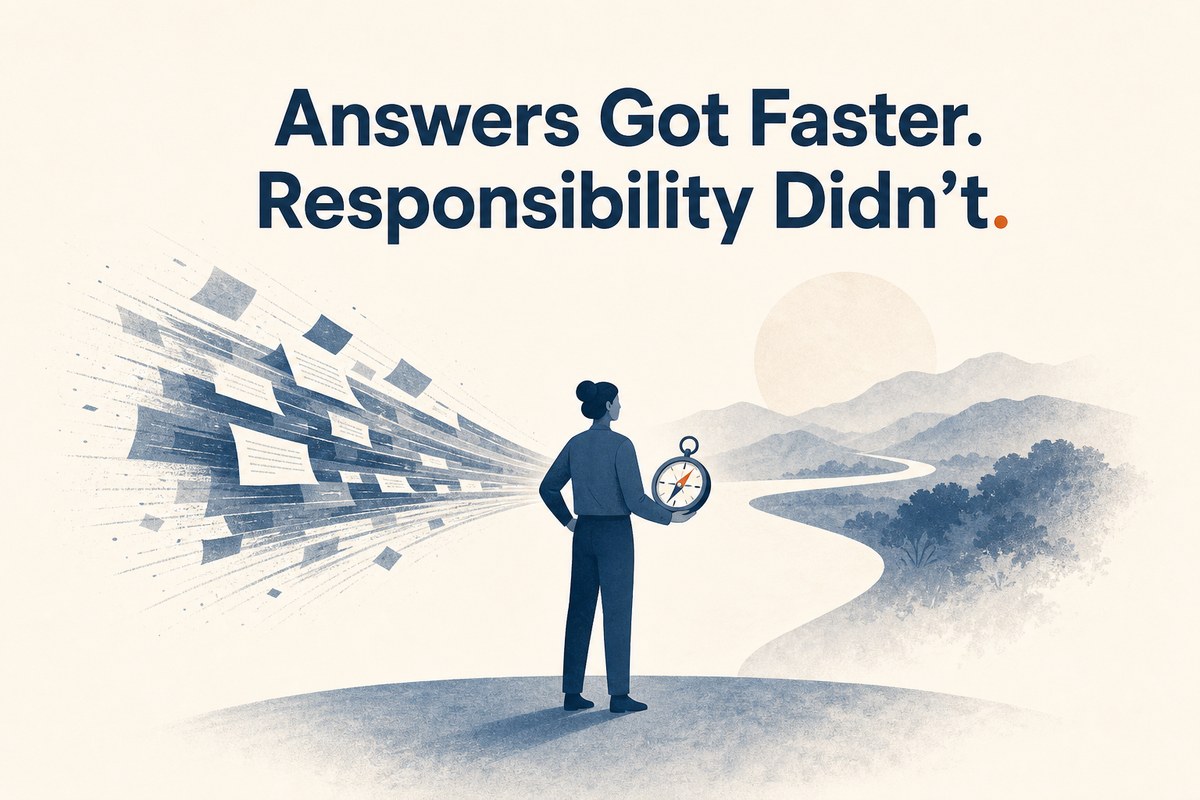
Answers Got Faster. Responsibility Didn't.
AI makes answers cheap. It doesn't make them safe. The work shifts from retrieving information to judging relevance, risk, and fit.
Operational signal: The next phase requires a shift in how the organization works.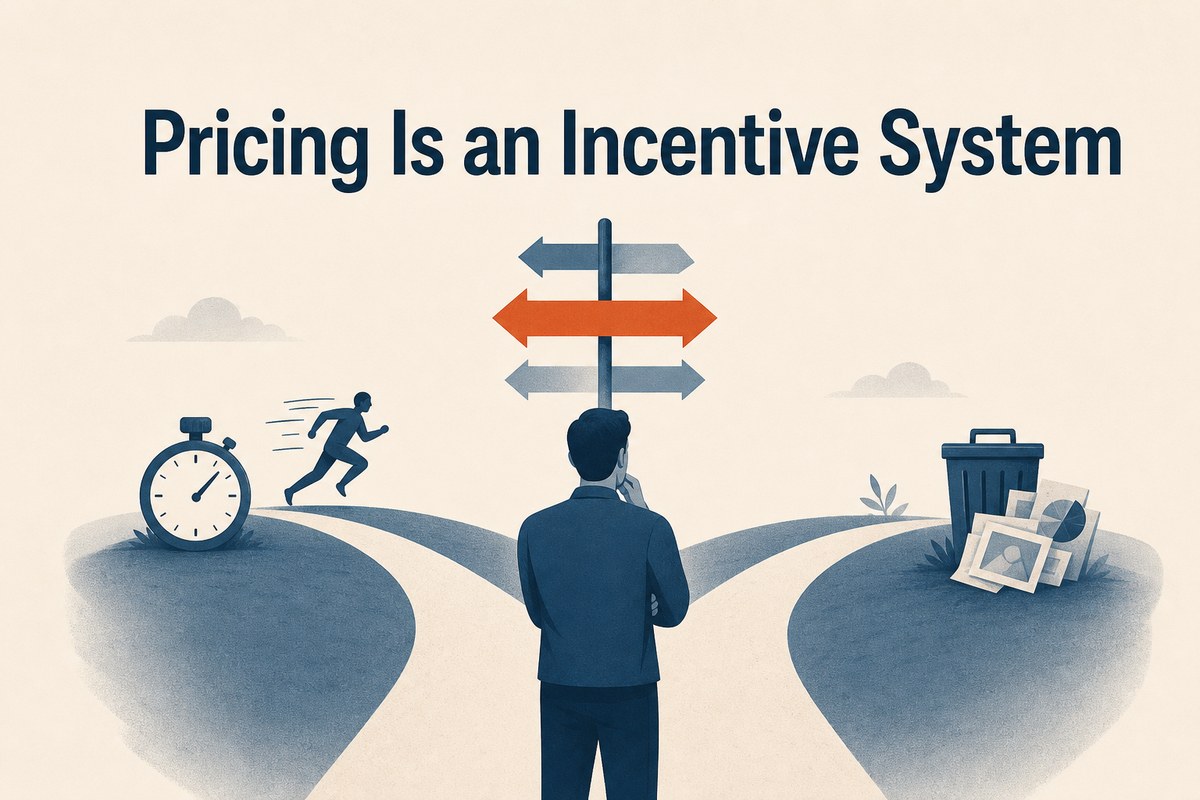
Pricing Is an Incentive System
Billing models shape behavior. When hours are the scoreboard, decisions start to optimize for billable work, not the right work.
Operational signal: The team is busy, but leadership cannot see delivery clearly.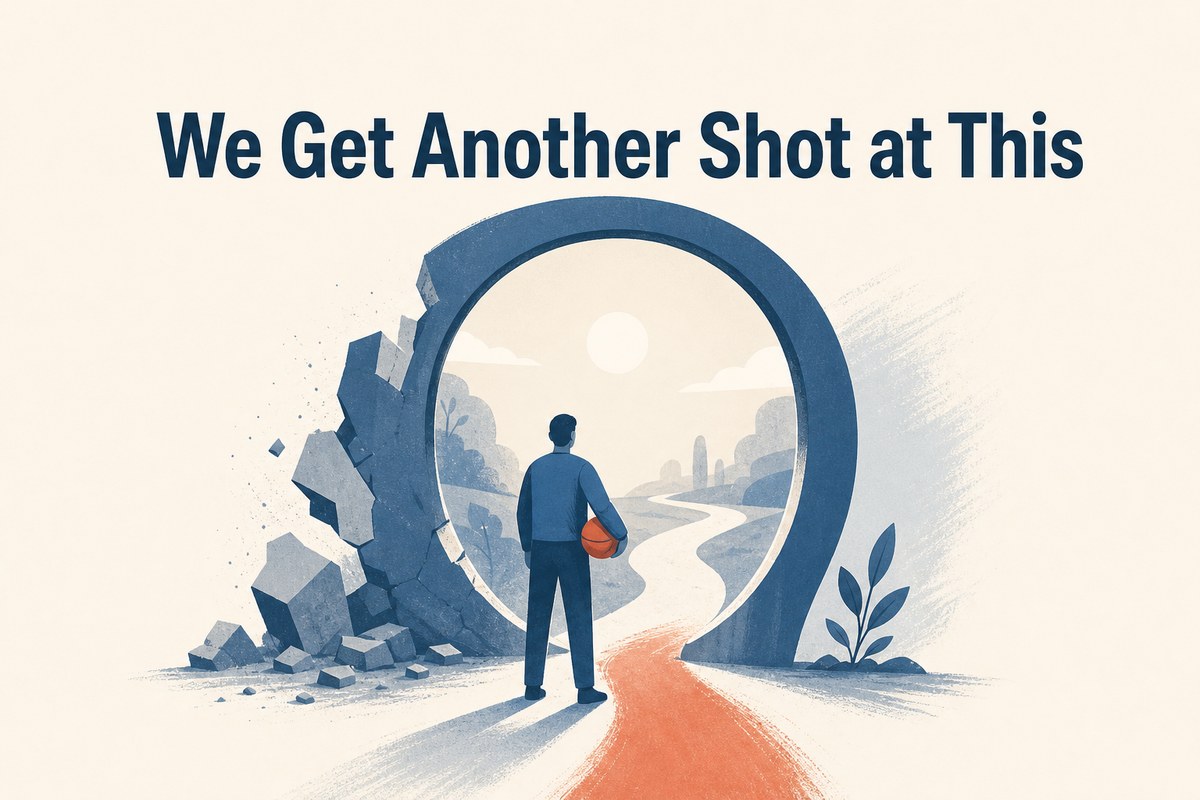
We Get Another Shot at This
AI is moving faster than most guardrails. That makes judgment the real advantage, at work and at home.
Operational signal: The platform works, but you are not sure it will survive the next phase.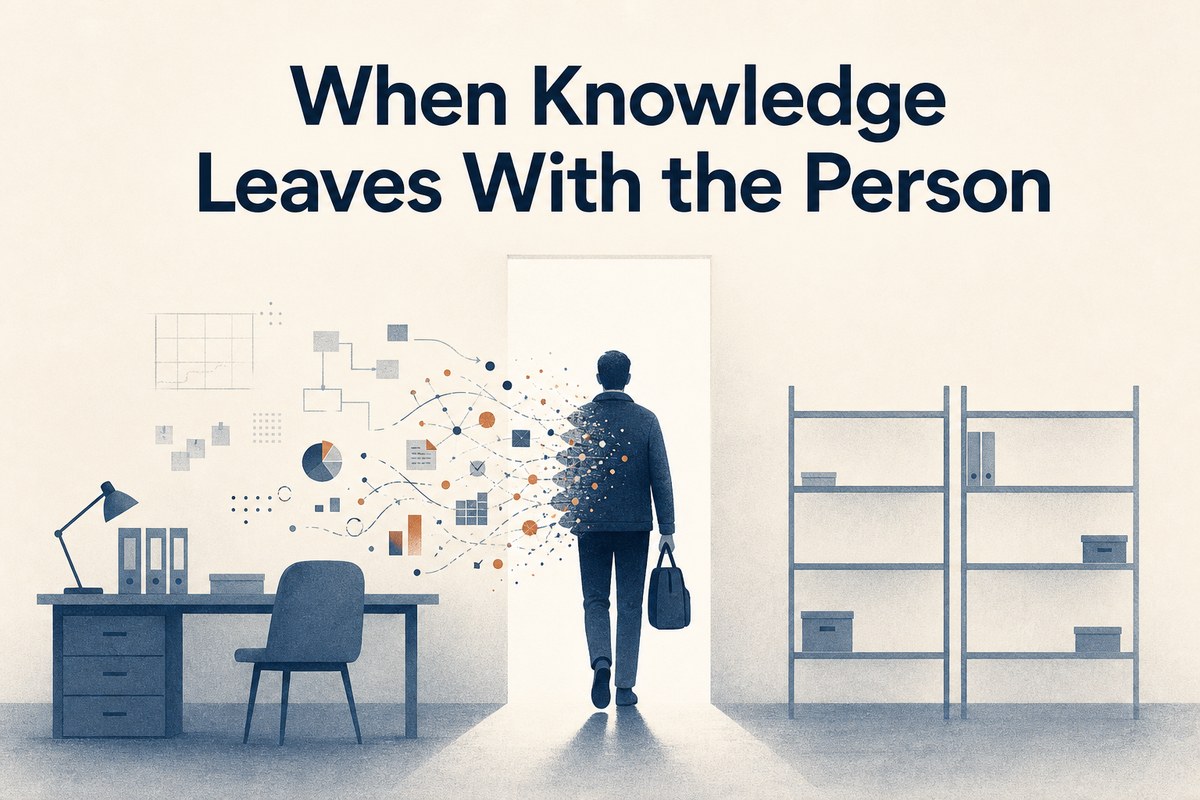
When Knowledge Leaves With the Person
If one person holds the context, the relationship is fragile. The structure should carry the work even when people change.
Operational signal: The platform works, but you are not sure it will survive the next phase.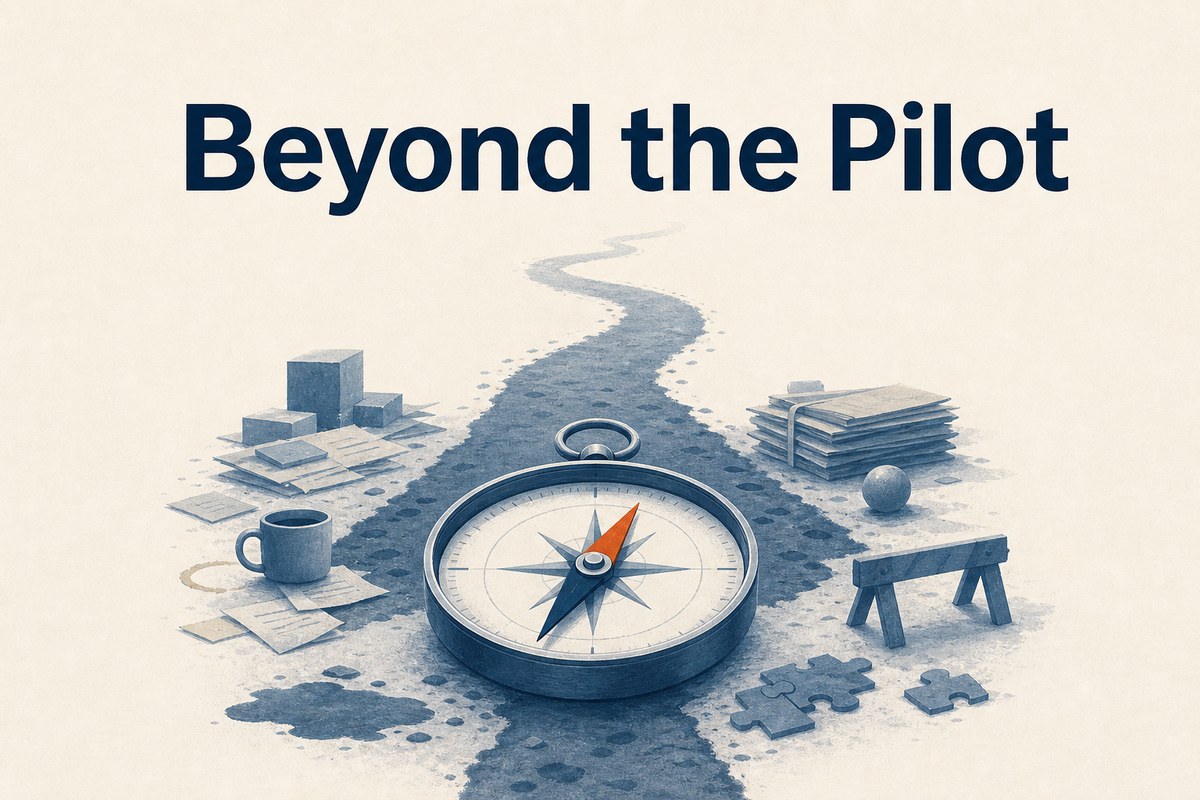
Beyond the Pilot: Why Day-to-Day Is the Real Test
Pilots are controlled. Real life isn't. The hard part is ownership, support, and how the work holds up once the spotlight moves on.
Operational signal: The platform works, but you are not sure it will survive the next phase.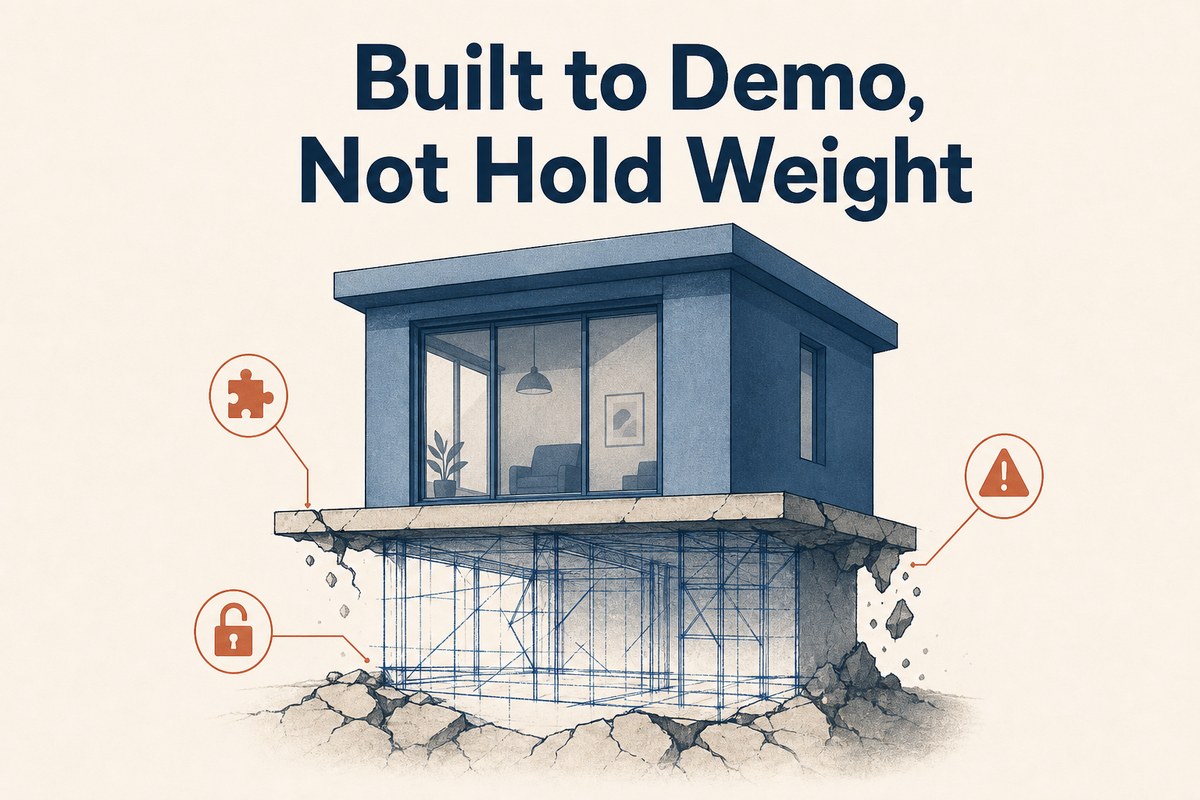
Built to Demo, Not to Hold Weight
AI-assisted builds can look nearly finished before the important intent is specified. The risk shows up under load, where missing rules and weak assumptions start to matter.
Operational signal: The platform works, but you are not sure it will survive the next phase.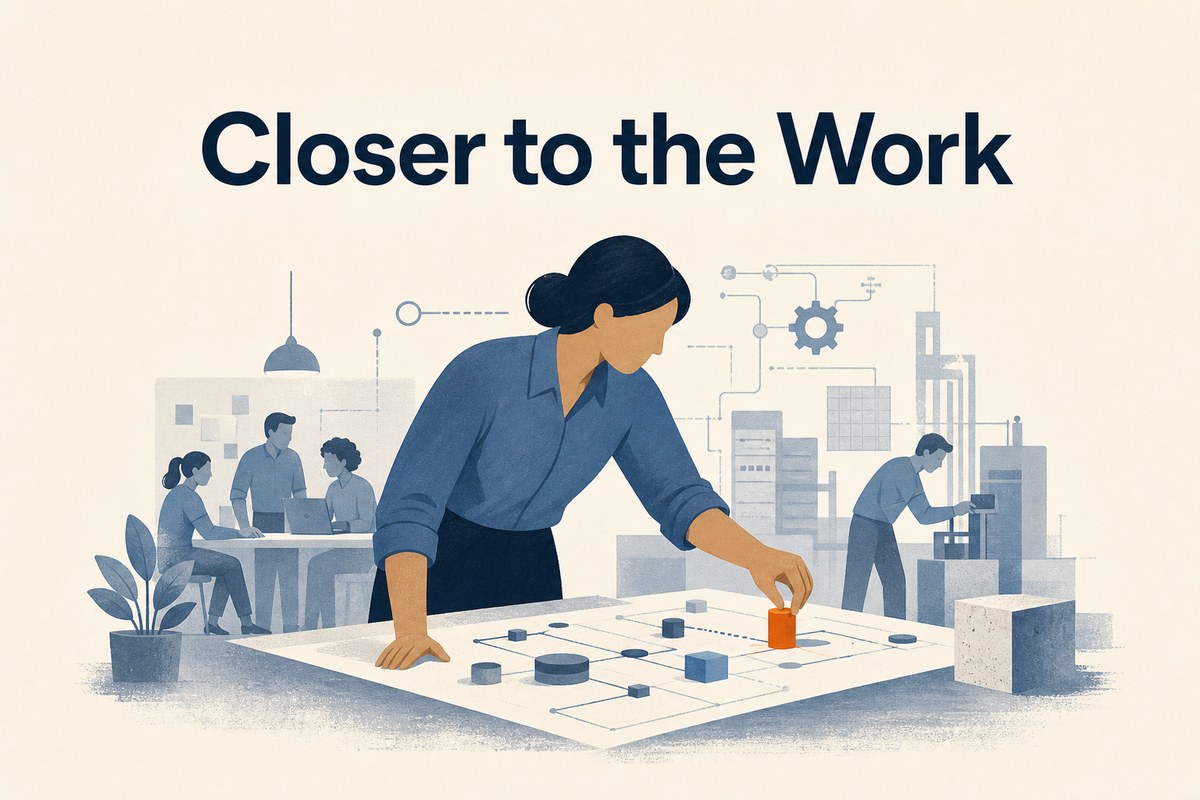
The Next Era of Tech Leadership Is Closer to the Work
Strategy without contact with the work breaks down. Leaders don't need to code full time, but they do need real context.
Operational signal: The team is busy, but leadership cannot see delivery clearly.
The Right Partner Changes Everything
The best partnerships reduce blind spots and speed up decisions. What I've learned building and delivering side by side.
Operational signal: The team is busy, but leadership cannot see delivery clearly.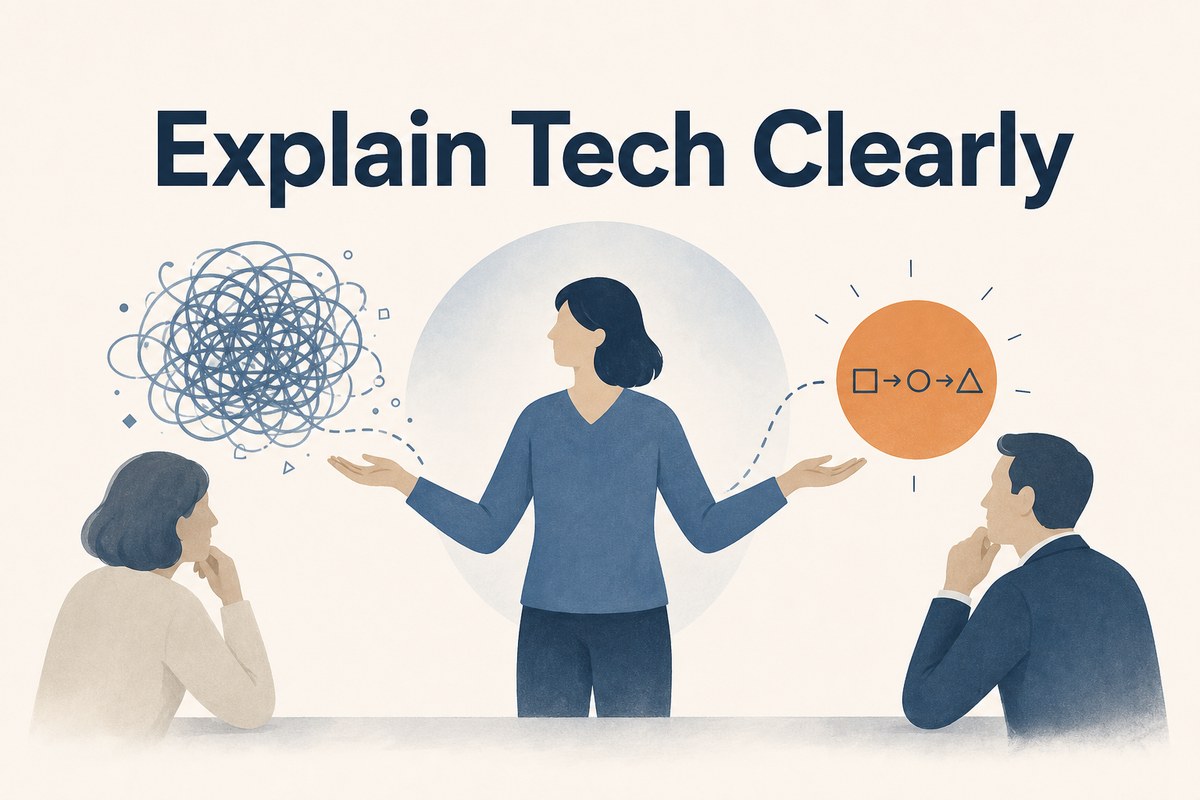
Explaining Tech to My Mom (and My CEO)
If you can't explain it simply, you probably don't understand it yet. The best leaders make the complex clear without dumbing it down.
Operational signal: The platform works, but you are not sure it will survive the next phase.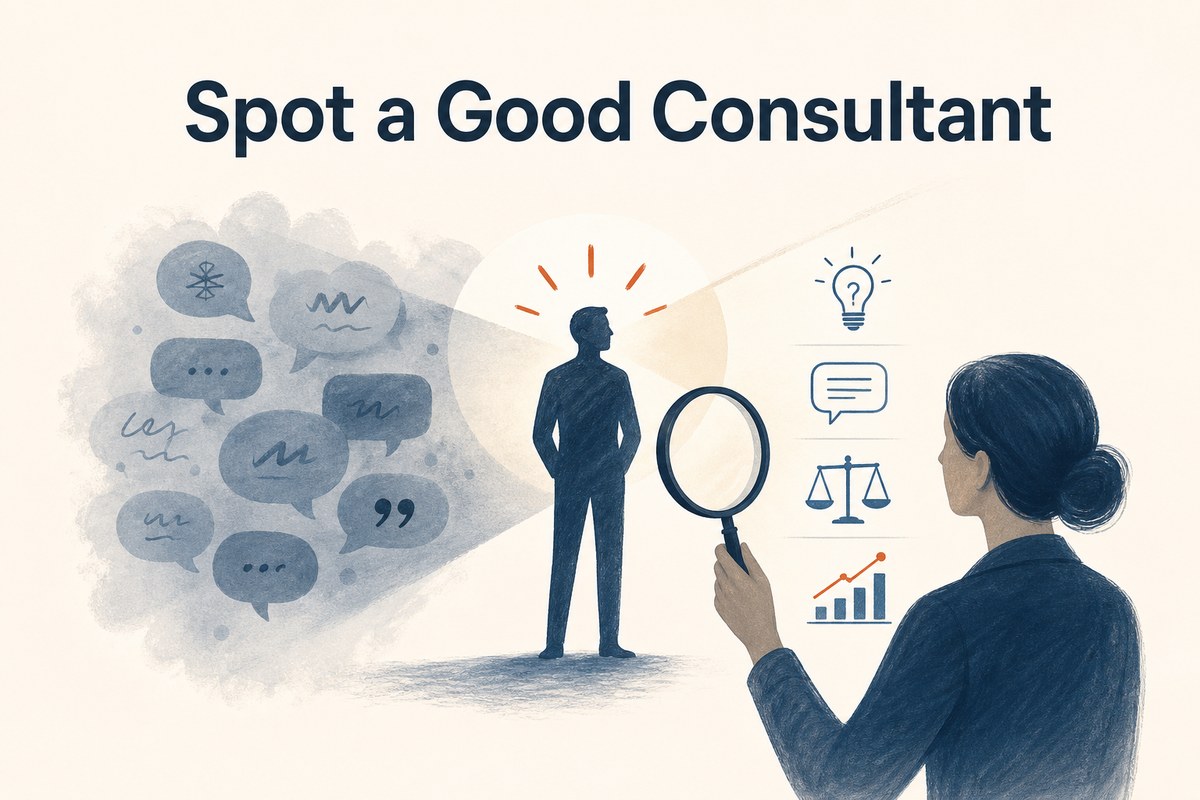
How to Spot a Good Tech Consultant
You can usually tell before you sign. Look for curiosity, plain language, and proof they can connect strategy to delivery.
Operational signal: The team is busy, but leadership cannot see delivery clearly.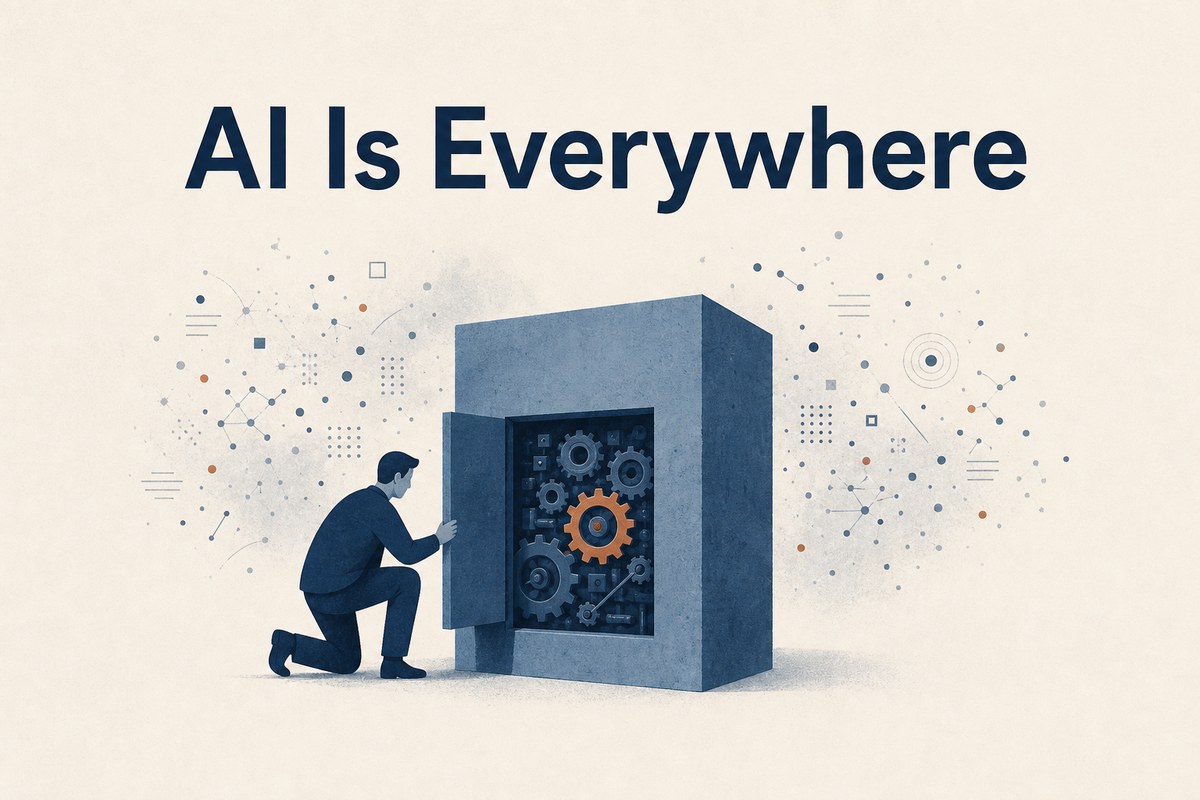
AI Is Everywhere. But It's Not What You Think
AI can deliver real value in focused spots. But it's still messy, adoption is uneven, and the headlines are ahead of reality.
Operational signal: The platform works, but you are not sure it will survive the next phase.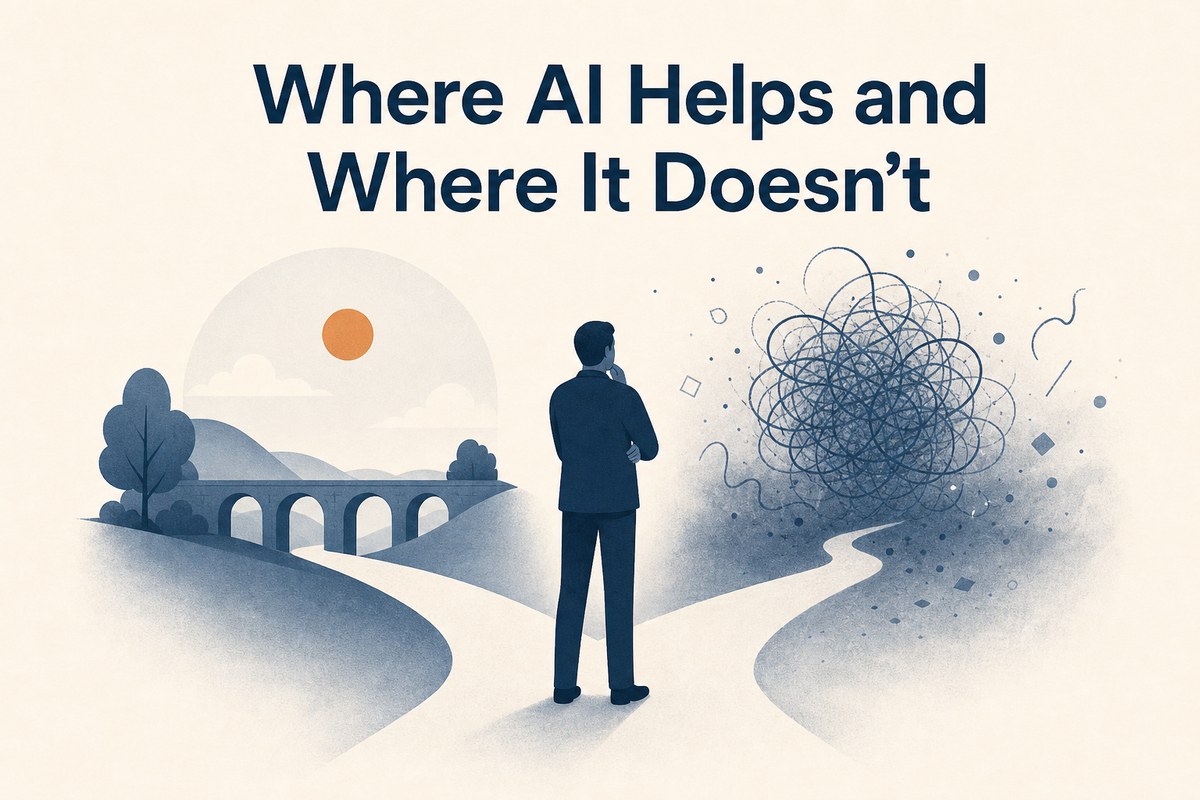
Where AI Helps and Where It Doesn't
Most AI pilots can demo something. Fewer change outcomes. The difference is a real problem, usable data, and clear guardrails.
Operational signal: The platform works, but you are not sure it will survive the next phase.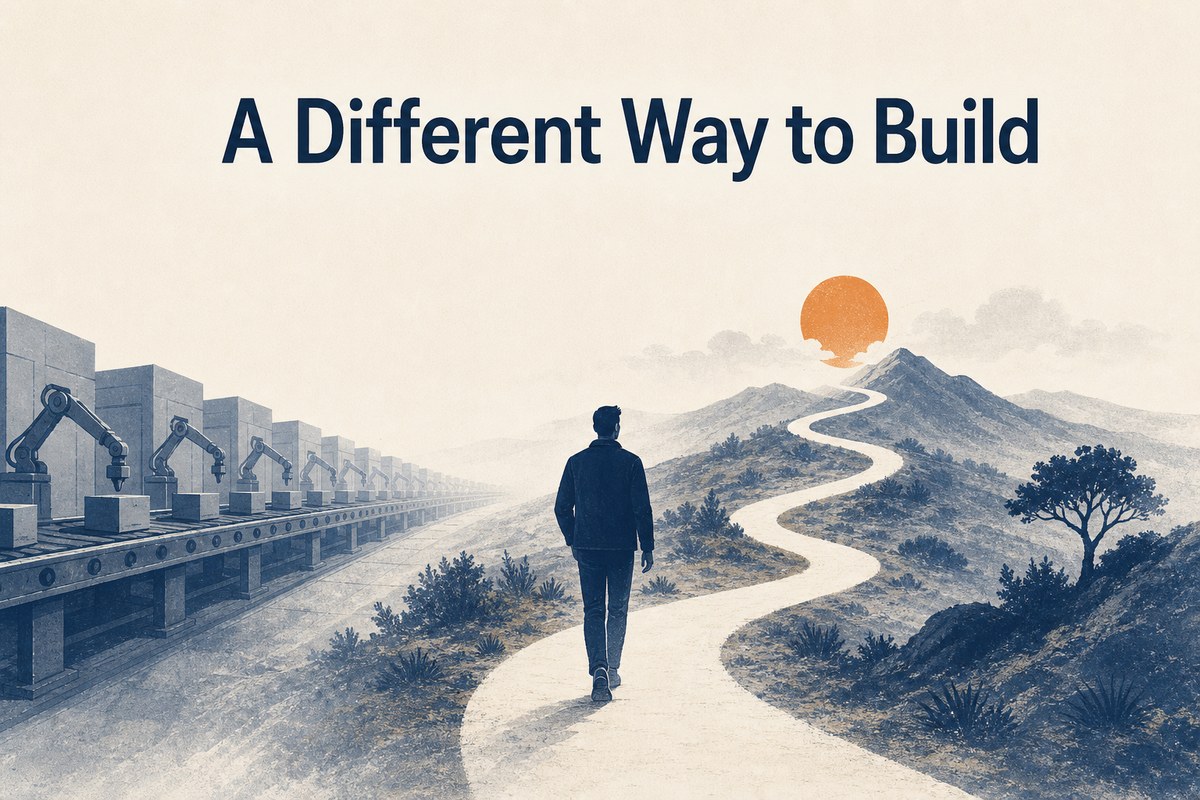
A Different Way to Build
Part memoir, part field guide. What I learned about building big things without burning out in the process.
Operational signal: The team is busy, but leadership cannot see delivery clearly.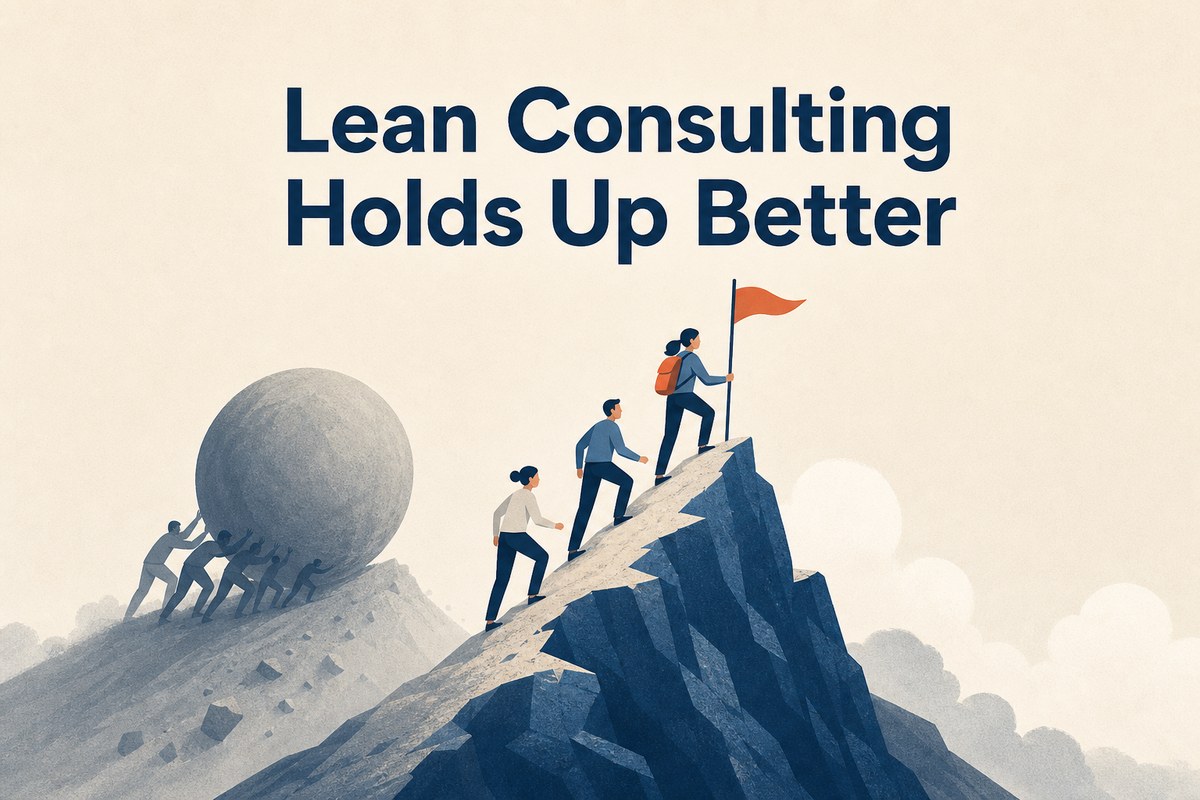
Lean Consulting Holds Up Better
Big teams can slow decisions. A small senior team stays closer to the work and moves faster, with fewer handoffs and less waste.
Operational signal: The team is busy, but leadership cannot see delivery clearly.