Blog
The Gap Between Estimated and Actual Effort Is Growing
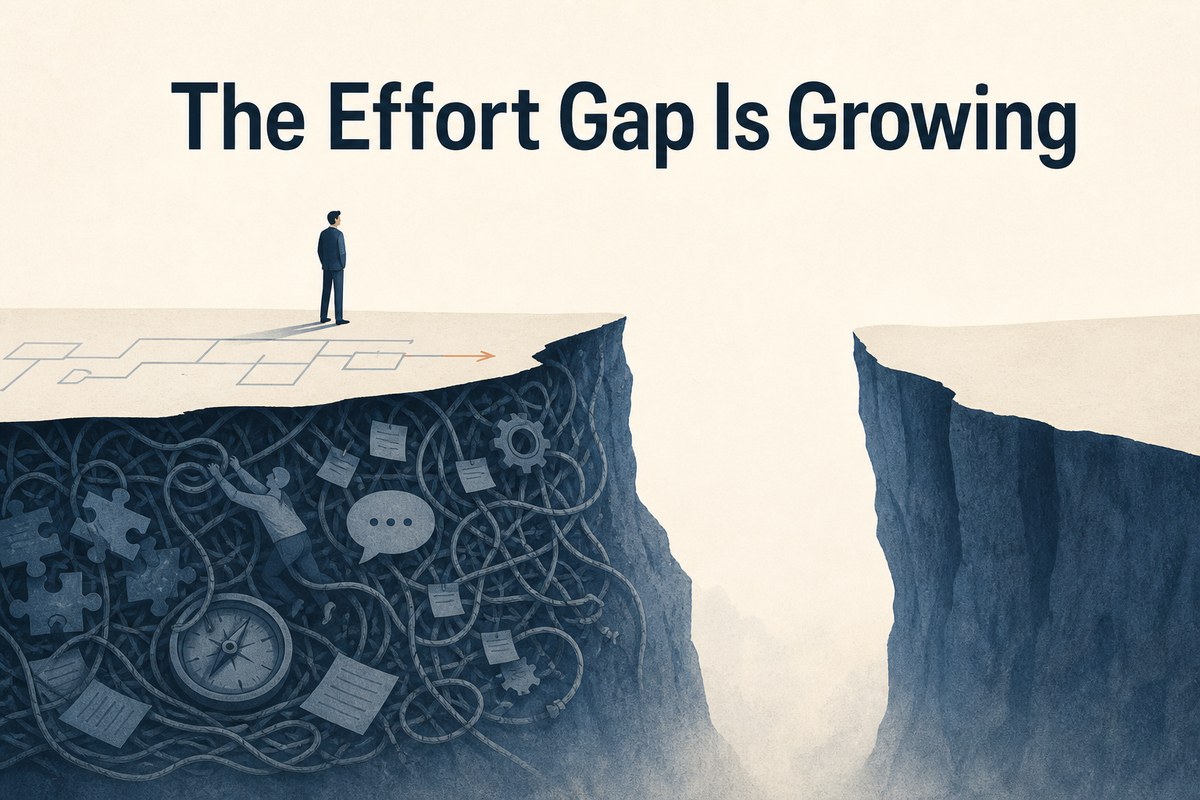
Engineers are usually optimistic. The problem feels clear, the plan looks simple, and there is a mix of pride, naivety, and pressure to move fast. But as work progresses, things surface, and the original estimates fall apart. Instead of acknowledging delays, engineers often work unrecorded hours that quietly shape future expectations.
Now, AI is widening this gap on both sides. Someone might say, "I built an end-to-end app in 2 hours on Sunday morning," and that quickly becomes the new standard. It may be an MVP at best or an extreme exaggeration at worst, but expectations shift anyway. The rest of the team is now measured against it. If one app can be built in hours, everything else is expected to move faster, too. But the work does not change. Tasks that look quick still take time. The gaps remain, the extra work needed to make it actually hold up is still there, and the cycle continues with more hidden effort.
The gap between estimated and actual effort is growing. Teams need to be clear about what it really takes to deliver something that works in the real world. It is fine to try new approaches and acknowledge when estimates are low confidence, especially while learning new tools and workflows. Engineers should stay optimistic, but avoid guesswork or overstatements. Keep the conversation honest and adjust expectations as the team learns.
Recommended next
Related work
A Single View of Delivery
Teams wanted dashboards but didn't trust the data behind them. Before building anything, we validated what was measurable and who would own it, then gave leadership a roadmap they could act on.
Related conversation
Feeling Bloated? Time for Some Lean Consulting
For decades, big problems meant hiring big consulting firms. The logic was simple: size equals impact. But what if that model is fundamentally broken? What if the hundred-page slide decks, massive teams, and staggering bills are a sign of waste, not value?
Author
More like this